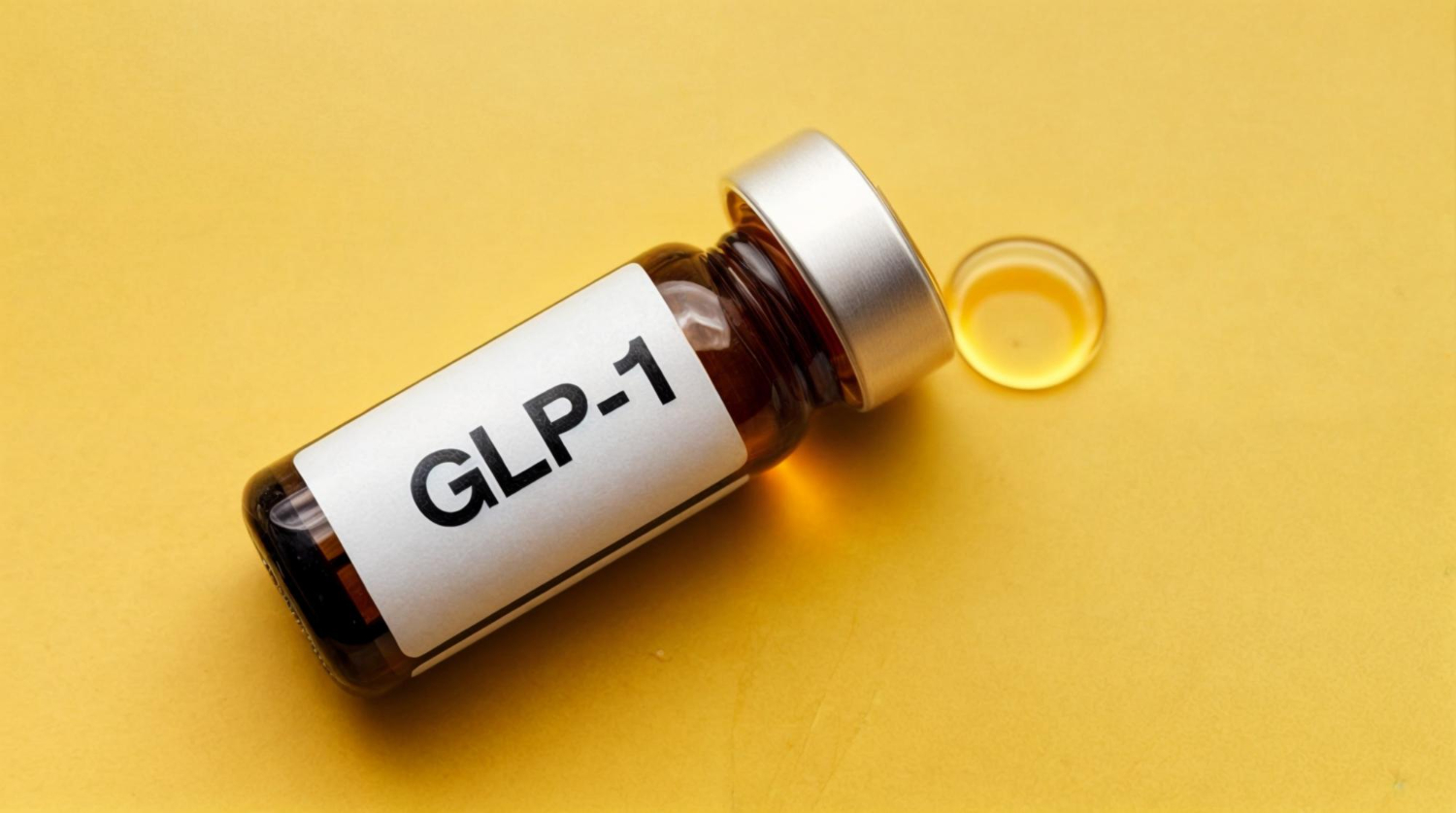
Every Mouthful Counts: GLP-1 Medicines and the Nutrition That Supports Them
GLP-1 weight management medications reduce appetite, but they do not reduce your nutritional needs. Learn why protein, nutrient-dense foods and personalised nutrition are essential for protecting muscle and supporting long-term weight management.
How do GLP-1 medicines work?
GLP-1 stands for glucagon-like peptide-1, a hormone your gut releases within minutes of eating. It signals fullness to your brain, helps regulate blood sugar, and slows the rate at which your stomach empties. The version your body makes is broken down within a couple of minutes. GLP-1 medicines are engineered copies designed to stay active for about a week, which is why a single weekly dose can keep appetite suppressed day after day.
They act on several systems at once. They prompt the release of insulin and help smooth out blood sugar after meals. They act on the appetite centres of the brain, increasing fullness and easing the constant "food noise" of cravings that many people describe. And they slow digestion so you feel satisfied for longer. They also influence the brain's reward chemistry, which can reduce the pull of highly palatable, ultra-processed foods, so for many people those foods simply lose some of their appeal. The combined effect is that most people simply want to eat much less.
The results are real, but that's only half the story
The clinical results are real. In the STEP trials, semaglutide produced an average weight loss of around 15 percent of body weight. In the SURMOUNT trials, tirzepatide reached more than 20 percent, figures previously associated mainly with surgery. The medicines have also shown wider benefits, including improved blood sugar control and, in people with existing heart disease, reduced cardiovascular risk.
Two things are worth adding to that picture. First, the medicines do not work for everyone: research suggests up to around 30 percent of people are non-responders, losing less than 5 percent of their body weight. Second, what surrounds the medication matters. In the SURMOUNT-3 trial, people who received structured lifestyle and dietary support before starting tirzepatide went on to achieve better results, a strong sign that the groundwork shapes the outcome.
You may also have heard about microdosing, using smaller doses than a standard prescription, often for gentler appetite control, fewer side effects, or lower cost. It is an increasingly common talking point, but it is worth knowing that this is generally an off-label approach and the research on these lower doses is still limited. Whatever dose someone is on, the principle in this article does not change: if the medicine is reducing your appetite at all, the food you do eat still needs to protect your muscle and meet your nutritional needs. Any decision about dose is one for you and your prescribing doctor.
Here is the part that rarely makes the headlines. When the medication works as intended, energy intake drops substantially. Research suggests reductions of roughly 16 to 39 percent. Hunger recedes, meals become smaller, and food becomes less of a preoccupation.
But your body's nutritional requirements do not fall with your appetite. Your muscles still need protein. Your bones still need calcium. Your immune system still needs zinc and vitamin C, and your cells still need magnesium, potassium, choline and vitamin D. These needs do not shrink because the medication has turned down the volume on hunger.
The nutrition gap
A 2025 study published in Frontiers in Nutrition looked directly at nutrient intake in people using GLP-1 medicines. It found that recommended daily intakes were often not being met for fibre, calcium, iron, magnesium, potassium, choline, and vitamins A, C, D and E. A companion analysis found overall diet quality scored around 54 out of 100 on a standard healthy-eating measure, below the general population, with protein intake on the low side and much of it eaten in a single evening meal rather than spread across the day.
In other words, many people on these medicines are eating less and not necessarily eating better. The signs of running low on key nutrients can be easy to miss or put down to the weight loss itself: fatigue, hair thinning, reduced strength, low mood, poor sleep, or catching every cold going around. They are worth taking seriously rather than waiting out.
Digestive side effects make this harder still. By some estimates, 80 to 90 percent of users experience effects such as nausea, bloating or constipation, and these can reduce how well the gut absorbs the nutrients that do get eaten, widening the gap further.
Do GLP-1 medicines cause muscle loss?
Not all of the weight lost on these medicines is fat. Research suggests a significant share can come from skeletal muscle, with detailed body composition studies finding up to around 40 percent of the weight lost in some cases is lean tissue rather than fat. One trial subgroup found the rate of muscle loss over little more than a year was comparable to many years of normal age-related decline.
This matters well beyond appearance. Skeletal muscle absorbs the majority of the glucose from your meals, it sets your resting metabolic rate, and it keeps you strong and mobile as you age. When muscle is lost, metabolism tends to slow, which can make maintaining weight loss harder, both during treatment and especially after it. Older adults and those in mid-life and beyond have the most to protect here.
What happens to your weight when you stop?
For reasons of cost, access, side effects or personal choice, most people do not stay on these medicines indefinitely. The research on what happens next is sobering. A large systematic review published in the BMJ in 2026 found that weight regain after stopping GLP-1 medication was, on average, somewhat greater than after stopping behavioural weight-loss programmes. Other research suggests people regain roughly two-thirds of their lost weight within a year of stopping, and regain can begin within a couple of months. In the STEP 1 trial extension, participants who had lost an average of around 15 percent of body weight were left with a net loss of only about 6 percent two years after stopping. Stopping is common: studies of real-world use suggest around half of users discontinue within a year, often because of cost, access or side effects.
The reasons are not mysterious. When appetite returns, and the body has less muscle and a lower metabolic rate than before, the conditions for regain are in place. The medication suppressed appetite, but if no nutritional foundation was built alongside it, the results can be borrowed rather than kept.
This is exactly why the WHO is clear that GLP-1 treatment should go hand in hand with diet and lifestyle support, not be used in isolation. Yet a review of GLP-1 studies found that only a small minority had included input from a nutrition professional. The support structure has not kept pace with the medication.
Side effects worth knowing about
Being well informed helps you make good decisions, so it is worth knowing the wider side-effect picture. The most common effects are digestive, as already mentioned, and they are the leading reason people stop. A few others are worth flagging.
Surgery and anaesthesia. Because these medicines slow stomach emptying, food and liquid can stay in the stomach longer than usual. Before any operation, planned or emergency, it is important to tell your surgeon and anaesthetist that you are taking a GLP-1 medicine, as it can affect safety under anaesthetic.
Gallbladder. GLP-1 medicines are associated with a higher risk of gallstones and gallbladder problems, particularly at higher doses or with longer use.
Mood and mental health. The evidence here is complex and at times contradictory. A large 2026 Swedish cohort study in The Lancet Psychiatry found that, in people with existing diagnoses, GLP-1 medicine use was associated with a lower risk of worsening depression and anxiety. Other observational research points the other way, suggesting a potentially higher risk of depressive symptoms. Anyone with a history of mental health conditions should work closely with their doctor when starting or continuing this kind of treatment.
Heart rate. A small and usually reversible rise in heart rate has been observed. For most people it is not significant, but it is worth monitoring for anyone with a heart condition.
Vision. In 2025 the European Medicines Agency listed a rare eye condition involving sudden vision loss, known as NAION, as a very rare side effect of semaglutide. The risk remains very small, but anyone who notices a sudden change in their vision should see a doctor promptly.
None of this is a reason to avoid these medicines, provided they are medically indicated. It is simply the kind of informed picture that helps you use them well, and another reason to have good support alongside them. As a nutrition programme, not a medical product, Metabolic Balance is not designed to treat, prevent or cure these pharmacological side effects; any question about side effects, dosage changes or stopping the medication belongs with the prescribing doctor.
What should you eat on a GLP-1 medicine?
When you are eating much less, every meal has to work harder. There is little room for low-nutrient food, because each mouthful now carries a far greater share of your daily needs. The evidence points to a clear set of priorities.
Protein, spread through the day. Guidance for protecting muscle during active weight loss generally lands around 1.2 to 1.6 grams per kilogram of body weight per day, often described as roughly 80 to 120 grams daily, with about 30 to 40 grams at each meal rather than most of it at dinner.
Nutrient density over volume. With so little food coming in, what you do eat needs to be especially rich in vitamins and minerals. Whole foods, plenty of vegetables, quality proteins and healthy fats become essential rather than optional. Foods such as eggs, avocado, nuts, seeds, legumes and high-fibre foods also support your body's own GLP-1 response.
Fibre. Easy to overlook when protein dominates the conversation, but fibre supports digestion at a time when constipation is common, feeds the gut bacteria linked to immunity and mood, and helps steady blood sugar. Vegetables, legumes and wholegrains are good places to start.
Strength exercise. Resistance training, around two to three times a week, is one of the most effective ways to help preserve muscle while losing fat.
Eating to a plan, not to hunger. Because the medication suppresses appetite, hunger can no longer be relied on to prompt you to eat well, or to eat at all. Structure matters more than ever.
Managing side effects. Digestive effects such as nausea and constipation are common. Smaller, regular meals, gentle high-moisture foods and not waiting until overly hungry can help, and they also keep nutrient intake up.
The challenge is doing all of this precisely. Generic advice and calorie-counting apps were not designed for the specific situation of eating very little while protecting muscle, meeting every nutrient target, and building habits that will hold once the medication stops.
Supporting your body beyond the plate
Nutrition is the foundation, but it does not work alone.
Movement. Alongside strength training, regular aerobic activity supports the wider benefits. After stopping the medication, when the risk of regain is highest, research supports building activity up further, often to around 200 to 300 minutes a week. Be realistic, though: when you are eating much less, your energy may not stretch to intense exercise, and that is fine. Walking counts. The aim is movement you can keep doing, not pressure on an already stretched system.
Sleep. Poor sleep can disrupt blood sugar and the hormones that govern appetite, so protecting it can make a real difference. Many people notice changes to their sleep on these medicines, which is worth addressing early.
Stress. Ongoing stress raises cortisol, which can drive cravings and make weight management harder. Managing it is part of the picture, not an optional extra.
Where Metabolic Balance fits
This is the gap Metabolic Balance is built to fill. It is not a one-size-fits-all diet. It begins with a detailed blood analysis (36 blood values) and your health history to understand your individual nutritional and metabolic picture, and your personalised plan is then created using a scientifically developed algorithm refined over more than 20 years, built around real, whole foods chosen for your body. Want to learn more about what blood test results can reveal about your metabolism and why they matter when creating a personalised nutrition plan? Read our article What Do Blood Test Results Actually Tell You About Weight Loss?
Protein sits at the centre of every meal, supporting the goal of preserving muscle. Each food is chosen to deliver strong nutritional value within a smaller volume of food, and the plan is structured with balanced nutrition in mind, working alongside the same goals the medication is pursuing.
Just as importantly, Metabolic Balance, with your certified coach and the companion app, helps you build something a medication cannot: lasting confidence with food. It sets out what to eat and why, so you are not relying on hunger signals the medication has switched off. And because the structure is yours to keep, the foundation remains in place when the medication ends, which is the point at which it matters most. As a nutrition approach rather than a medical treatment, it can support you before, during and after a GLP-1 medicine, whatever you and your prescriber decide.
The bottom line
GLP-1 medicines are a genuine step forward, and for many people they are life-changing. But they are a tool, not the whole answer. They change how much you eat. They do not, on their own, ensure that what you eat protects your muscle, meets your nutritional needs, or prepares you for life after treatment.
The WHO, and a growing weight of research, point to the same conclusion: these medicines work best when paired with good nutrition and lifestyle support. That is precisely what Metabolic Balance is designed to provide.
Every mouthful counts. If you are using a GLP-1 medicine, or considering one, make sure yours are working as hard as you are, with a plan that will carry you confidently into the future.
Frequently asked questions
What should you eat on a GLP-1 medicine?
Focus on protein at every meal (often around 80 to 120 grams a day, spread across the day rather than saved for dinner), nutrient-dense whole foods and plenty of fibre. Add strength exercise two to three times a week, and eat to a plan rather than waiting for hunger the medication has switched off.
Do GLP-1 medicines cause muscle loss?
Some of the weight lost can come from muscle rather than fat, with research suggesting up to around 40 percent in some studies. Enough protein and regular resistance training help protect muscle, which matters for strength, metabolism and keeping the weight off.
Will you regain weight after stopping a GLP-1 medicine?
Often, if nothing replaces the appetite support. Research suggests many people regain around two-thirds of the weight they lost within a year of stopping. A nutritional foundation built while on the medication gives results the best chance of lasting.
How does Metabolic Balance help alongside GLP-1 medicines?
It builds a personalised, whole-food plan from your blood values and health history, guided by a certified coach and supported by the companion app. Because the structure is yours to keep, it can support your nutrition before, during and after a GLP-1 medicine.
This article is for general information and education. It is not medical advice and does not replace guidance from your doctor or prescriber. Always speak to a qualified health professional about your medication and your individual circumstances.
References
Aronne LJ, Sattar N, Horn DB, Bays HE, Wharton S, Lin WY, Ahmad NN, Zhang S, Liao R, Bunck MC, Jouravskaya I, Murphy MA; SURMOUNT-4 Investigators. Continued Treatment With Tirzepatide for Maintenance of Weight Reduction in Adults With Obesity: The SURMOUNT-4 Randomized Clinical Trial. JAMA. 2024 Jan 2;331(1):38-48. doi: 10.1001/jama.2023.24945. PMID: 38078870; PMCID: PMC10714284.
Börchers S, Skibicka KP. GLP-1 and Its Analogs: Does Sex Matter? Endocrinology. 2025 Jan 6;166(2). doi: 10.1210/endocr/bqae165. PMID: 39715341, PMCID: PMC11733500. pubmed.ncbi.nlm.nih.gov/38078870/
Bracchiglione J, Meza N, Franco JV, Escobar Liquitay CM, Novik AV, Ocara Vargas M, Lazcano G, Poloni D, Rinaldi Langlotz F, Roqué-Figuls M, Munoz SR, Madrid E. Semaglutide for adults living with obesity. Cochrane Database Syst Rev. 2025 Oct 30;10(10):CD015092. doi: 10.1002/14651858.CD015092.pub2. PMID: 41161683, PMCID: PMC12571522.
Brady, G., Steele, C., Grundel, C., & Barrow, M. (2026). Supporting Clients on GLP-1 Therapy: Evidence-Based Nutritional and Lifestyle Strategies for Weight Management. Nutrition Evidence Database (NED) Journal. Funded by BANT. bant.org.uk/wp-content/uploads/2026/03/...pdf
Chiappini S, Vickers-Smith R, Harris D, Papanti Pelletier GD, Corkery JM, Guirguis A, Martinotti G, Sensi SL, Schifano F. Is There a Risk for Semaglutide Misuse? Focus on the Food and Drug Administration's FDA Adverse Events Reporting System (FAERS) Pharmacovigilance Dataset. Pharmaceuticals (Basel). 2023 Jul 11;16(7). doi: 10.3390/ph16070994. PMID: 37513906, PMCID: PMC10384093.
Chu J, Zhang H, Wu Y, Huang Y, Zhu T, Zhou Z, Wang H. Efficacy of lifestyle modification combined with GLP-1 receptor agonists on body weight and cardiometabolic biomarkers in individuals with overweight or obesity: a systematic review and meta-analysis. EClinicalMedicine. 2025 Aug 30;88:103464. doi: 10.1016/j.eclinm.2025.103464. PMID: 40926900; PMCID: PMC12414836. pubmed.ncbi.nlm.nih.gov/40926900/
EMA PRAC. NAION classified as very rare side effect of semaglutide. European Medicines Agency Pharmacovigilance Risk Assessment Committee. 2025.
Flint SW, Almazán C. Portrayal and social response to the new era of medications for obesity. Lancet Reg Health Eur. 2025 Aug 4;57:101426. doi: 10.1016/j.lanepe.2025.101426. PMID: 40860253, PMCID: PMC12374426.
Franco JV, Guo Y, Varela LB, Aqra Z, Alhalahla M, Medina Rodriguez M, Salvador Oscco EL, Patiño Araujo B, Banda S, Escobar Liquitay CM, Bracchiglione J, Meza N, Madrid E. Tirzepatide for adults living with obesity. Cochrane Database Syst Rev. 2025 Oct 30;10(10):CD016018. doi: 10.1002/14651858.CD016018. PMID: 41161687, PMCID: PMC12571520.
Garvey WT, Frias JP, Jastreboff AM, le Roux CW, Sattar N, Aizenberg D, Mao H, Zhang S, Ahmad NN, Bunck MC, Benabbad I, Zhang XM; SURMOUNT-2 investigators. Tirzepatide once weekly for the treatment of obesity in people with type 2 diabetes (SURMOUNT-2): a double-blind, randomised, multicentre, placebo-controlled, phase 3 trial. Lancet. 2023 Aug 19;402(10402):613-626. doi: 10.1016/S0140-6736(23)01200-X. PMID: 37385275. pubmed.ncbi.nlm.nih.gov/37385275/
Gelfand ST, Tveit MC, Simon JA. Clinical review of how glucagon-like peptide-1 agonist obesity medications decrease sexual desire, and a biopsychosocial model for why we don't 'see' it. Obesity Pillars. 2025 Nov 20;17:100233. doi: 10.1016/j.obpill.2025.100233. PMID: 41404471, PMCID: PMC12704374.
Grosicki GJ, Dhurandhar NV, Unick JL, Arent SM, Thomas JG, Lofton H, Shepherd MC, Kiel J, Coleman C, Jonnalagadda SS. Sculpting Success: The Importance of Diet and Physical Activity to Support Skeletal Muscle Health during Weight Loss with New Generation Anti-Obesity Medications. Curr Dev Nutr. 2024 Oct 18;8(11):104486. doi: 10.1016/j.cdnut.2024.104486. PMID: 39624804; PMCID: PMC11609469. pubmed.ncbi.nlm.nih.gov/39624804/
Jastreboff AM, Aronne LJ, Ahmad NN, Wharton S, Connery L, Alves B, Kiyosue A, Zhang S, Liu B, Bunck MC, Stefanski A; SURMOUNT-1 Investigators. Tirzepatide Once Weekly for the Treatment of Obesity. N Engl J Med. 2022 Jul 21;387(3):205-216. doi: 10.1056/NEJMoa2206038. PMID: 35658024. pubmed.ncbi.nlm.nih.gov/35658024/
Johnson B, Milstead M, Thomas O, McGlasson T, Green L, Kreider R and Jones R (2025) Investigating nutrient intake during use of glucagon-like peptide-1 receptor agonist: a cross-sectional study. Front. Nutr. 12:1566498. doi: 10.3389/fnut.2025.1566498 pubmed.ncbi.nlm.nih.gov/40352260/
Johnson, B.V.B., Milstead, M., Green, L., Kreider, R., & Jones, R (2025). Diet quality and nutrient distribution while using glucagon-like-peptide-1 receptor agonist: A secondary cross-sectional analysis. Obesity Pillars, 16, 100195. pmc.ncbi.nlm.nih.gov/articles/PMC12369429/
Meza N, Bracchiglione J, Escobar Liquitay CM, Madrid E, Varela LB, Guo Y, Urrútia G, Er S, Tiller S, Shokraee K, Alvarez Busco F, Solà I, Ocara Vargas M, Novik AV, Poloni D, Franco JV. Liraglutide for adults living with obesity. Cochrane Database Syst Rev. 2025 Oct 30;10(10):CD016017. doi: 10.1002/14651858.CD016017. PMID: 41161684, PMCID: PMC12571521.
Mozaffarian, D., Agarwal, M., Aggarwal, M., et al. (2025). Nutritional priorities to support GLP-1 therapy for obesity: A joint advisory from the American College of Lifestyle Medicine, the American Society for Nutrition, the Obesity Medicine Association, and The Obesity Society. Obesity Pillars, 15, 100181. DOI: 10.1016/j.obpill.2025.100181. pmc.ncbi.nlm.nih.gov/articles/PMC12264624/
Spreckley, M., Ruggiero, C. F., & Brown, A. (2026). Nutrition Strategies for Next-Generation Incretin Therapies. Obesity Reviews. doi.org/10.1111/obr.70079
Neeland et al. (2024). Changes in lean body mass with GLP-1-based therapies and mitigation strategies. Diabetes, Obesity and Metabolism, 26(S4), 16–27. doi.org/10.1111/dom.15728
Patel, S., & Niazi, S. K. (2025). Emerging Frontiers in GLP-1 Therapeutics: A Comprehensive Evidence Base (2025). Pharmaceutics, 17(8), 1036. doi.org/10.3390/pharmaceutics17081036
Qin W, Yang J, Ni Y, Deng C, Ruan Q, Ruan J, Zhou P, Duan K. Efficacy and safety of once-weekly tirzepatide for weight management compared to placebo: an updated systematic review and meta-analysis including the latest SURMOUNT-2 trial. Endocrine. 2024 Oct;86(1):70-84. doi: 10.1007/s12020-024-03896-z. PMID: 38850440, PMCID: PMC11445313.
Simonsen E, Lund LC, Ernst MT, Hjellvik V, Hegedüs L, Hamann S, Jørstad ØK, Gulseth HL, Karlstad Ø, Pottegård A. Use of semaglutide and risk of non-arteritic anterior ischemic optic neuropathy: A Danish-Norwegian cohort study. Diabetes Obes Metab. 2025 Jun;27(6):3094-3103. doi: 10.1111/dom.16316. PMID: 40098249; PMCID: PMC12046482. pubmed.ncbi.nlm.nih.gov/40098249/
Spreckley M, Ruggiero CF, Brown A. Nutrition Strategies for Next-Generation Incretin Therapies: A Systematic Scoping Review of the Current Evidence. Obes Rev. 2026 Jun;27(6):e70079. doi: 10.1111/obr.70079. PMID: 41500509; PMCID: PMC13136787. pubmed.ncbi.nlm.nih.gov/41500509/
Taipale H, Taylor M, Lähteenvuo M, Mittendorfer-Rutz E, Tanskanen A, Tiihonen J. Association between GLP-1 receptor agonist use and worsening mental illness in people with depression and anxiety in Sweden: a national cohort study. Lancet Psychiatry. 2026 Apr;13(4):327-335. doi: 10.1016/S2215-0366(26)00014-3. PMID: 41862258. pubmed.ncbi.nlm.nih.gov/41862258/
Alkhezi OS, Alahmed AA, Alfayez OM, Almutairi AR, Almohaini HS, Alyahya MM. The risk of depression, anxiety, and suicidal behavior in patients with obesity on glucagon-like peptide-1 receptor agonist therapy. Sci Rep. 2024;14:24648. (Added per Silvia Bürkle, science review.)
Thomsen RW, Mailhac A, Løhde JB, Pottegård A. Real-world evidence on the utilization, clinical and comparative effectiveness, and adverse effects of newer GLP-1RA-based weight-loss therapies. Diabetes Obes Metab. 2025 Apr;27 Suppl 2:66-88. doi: 10.1111/dom.16364. PMID: 40196933, PMCID: PMC12000858. pubmed.ncbi.nlm.nih.gov/40196933/
Wadden TA, Chao AM, Machineni S, Kushner R, Ard J, Srivastava G, Halpern B, Zhang S, Chen J, Bunck MC, Ahmad NN, Forrester T. Tirzepatide after intensive lifestyle intervention in adults with overweight or obesity: the SURMOUNT-3 phase 3 trial. Nat Med. 2023 Nov;29(11):2909-2918. doi: 10.1038/s41591-023-02597-w. PMID: 37840095; PMCID: PMC10667099. pubmed.ncbi.nlm.nih.gov/37840095/
West S, Scragg J, Aveyard P, Oke JL, Willis L, Haffner SJP, Knight H, Wang D, Morrow S, Heath L, Jebb SA, Koutoukidis DA. Weight regain after cessation of medication for weight management: systematic review and meta-analysis. BMJ. 2026 Jan 7;392:e085304. doi: 10.1136/bmj-2025-085304. PMID: 41500720; PMCID: PMC12776922. pubmed.ncbi.nlm.nih.gov/41500720/
WHO (2025). Guideline on the use of GLP-1 therapies for the treatment of obesity in adults. iris.who.int/
WHO (2025) The use of semaglutide medicines and risk of non-arteritic anterior ischemic optic neuropathy (NAION) Online: www.who.int/news/item/.... Accessed 5 May 2026.
Wilding JPH, Batterham RL, Calanna S, Davies M, Van Gaal LF, Lingvay I, McGowan BM, Rosenstock J, Tran MTD, Wadden TA, Wharton S, Yokote K, Zeuthen N, Kushner RF; STEP 1 Study Group. Once-Weekly Semaglutide in Adults with Overweight or Obesity. N Engl J Med. 2021 Mar 18;384(11):989-1002. doi: 10.1056/NEJMoa2032183. PMID: 33567185. pubmed.ncbi.nlm.nih.gov/33567185/
Wilding JPH, Batterham RL, Davies M, Van Gaal LF, Kandler K, Konakli K, Lingvay I, McGowan BM, Oral TK, Rosenstock J, Wadden TA, Wharton S, Yokote K, Kushner RF; STEP 1 Study Group. Weight regain and cardiometabolic effects after withdrawal of semaglutide: The STEP 1 trial extension. Diabetes Obes Metab. 2022 Aug;24(8):1553-1564. doi: 10.1111/dom.14725. PMID: 35441470, PMCID: PMC9542252. pubmed.ncbi.nlm.nih.gov/35441470/

 Blog
Blog