
 Blog
Monday, October 19, 2026
11 min read
Losing Weight with Insulin Resistance: What Actually Helps?
Why losing weight is harder with insulin resistance, which way of eating he...
View more
Is the protein boom just another nutrition fad? Why quality, source and the person eating it matter more than chasing a bigger number.
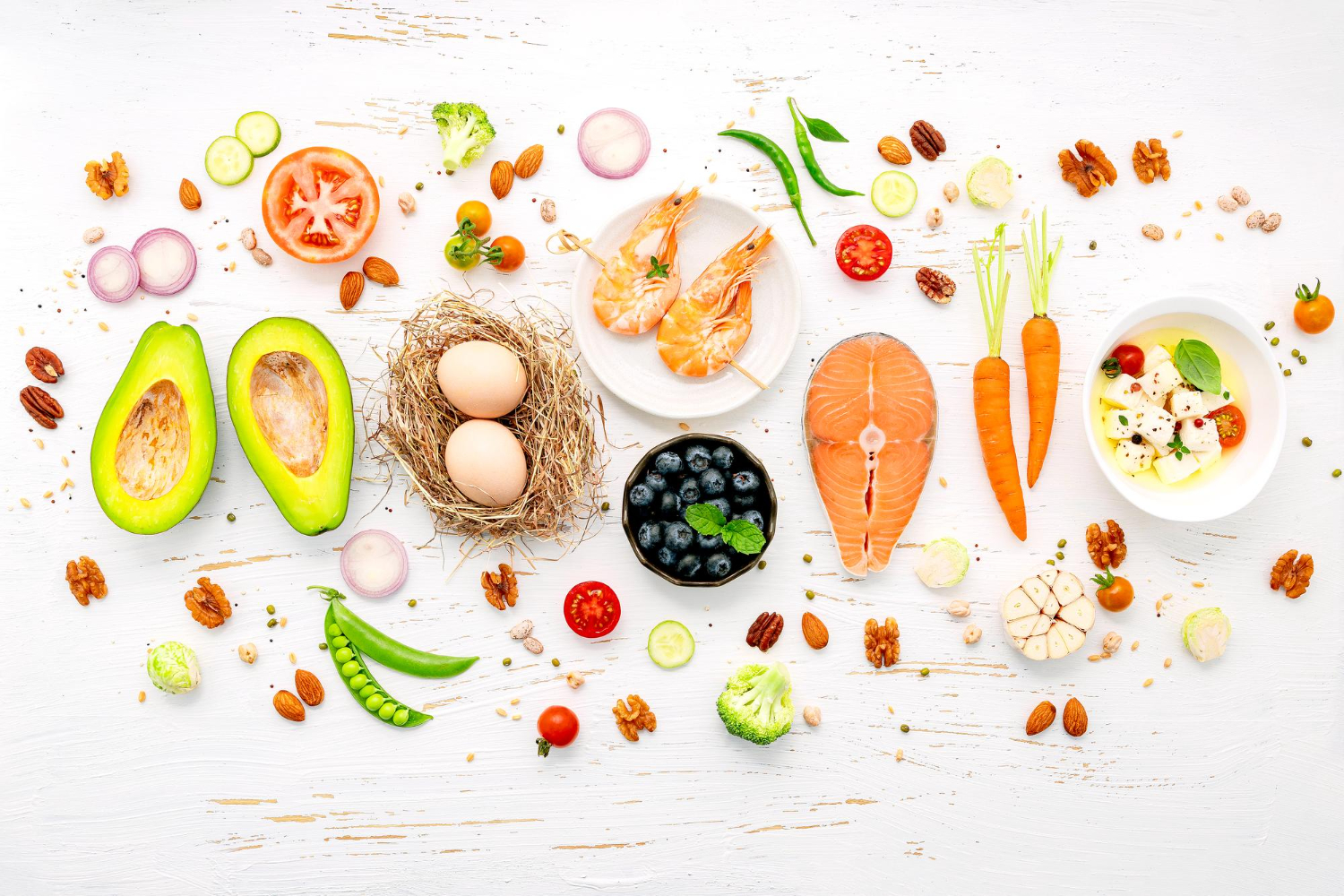
Protein is certainly having its moment in the limelight. Andy Warhol famously said everyone will be famous for 15 minutes, and maybe that's true for elements of nutrition too. But is this another fad or is it something that we should be paying attention to? In my view, while the current hype around protein has all the signs of a fad, there is an important message there too. It just needs to be refined and personalized.
If you go into your local supermarket, it's difficult to find a food that isn't promoting its protein content loudly on the label. Protein bars, protein water, and even protein chips and ice cream. Social media is full of influencers showing off their protein intake, and personally I'm fascinated by how "high protein" has quietly become shorthand for "healthy".
Yes, we know that protein is absolutely essential, and it needs to be present in the right amounts at every meal. It's needed to make many of our hormones, as well as neurotransmitters, enzymes, antibodies and so much more. Its main "fame" however comes from its role in building and maintaining muscle, which is one of the most important ways of supporting good health throughout life. But somewhere along the way I feel the message has been flattened, and in the hands of food marketing, it's been manipulated into two ideas:
Neither is quite true. Government health bodies mostly agree on around 0.8 grams of protein per kilogram of body weight a day for adults, from Australia and the UK to Europe and the USA. Germany, home of Metabolic Balance, goes a little higher for people over 65, and the Nordic countries higher still. Many of these figures are dated (the UK's were set in 1991!), and Australia has just begun a review of its dietary guidelines, which I'll be watching with interest.
To be fair, the guidelines assume we're eating a varied diet. But somewhere between the guidelines and the supermarket shelf, the number is where the focus has gone. Whether your 50 grams of protein comes from yogurt, lentils, chicken or protein powder no longer seems to matter.
The problem is that it's so much more than that. Yes, the right quantity is vital, but so are the source, the quality, when you eat it, how it's been prepared and what else is on your plate. Lentils bring fiber and oily fish brings omega-3 fats, whereas a protein ice cream is still an ice cream. Build a meal around a number and other foods get pushed off the plate, when many people already fall short on vegetables, fiber and fruit.
It also matters who is eating it. How protein is digested, absorbed and utilized, and how its waste is excreted, is highly personal. In my years in practice, I've seen that not everyone thrives on animal proteins, just as not everyone thrives on plant-based ones. Age and life stage, digestion, gut health, kidney function and personal health goals all play a part. As we get older our muscles respond less to protein, so a 25-year-old and a 70-year-old eating the same meal are not getting the same benefit from it.
This is why I value the individual approach Metabolic Balance takes. Each plan is built from a blood analysis, with protein from whole foods at the center of every meal, chosen for that person, and practitioners adjust it further as needed. All other food groups are championed too, building long-term knowledge of balanced and enjoyable eating.
I'm very happy that protein is having its moment in the spotlight. It does deserve it! But the answer is so so so much more than "just eat more". What matters is knowing the right quality protein for you, choosing from a great range of whole foods and understanding when and how to eat it, all alongside regular exercise and movement. A flashy number on a plastic label is no guarantee of any of that.
Blog
Why losing weight is harder with insulin resistance, which way of eating he...
 Podcast
Six years on, Kevin and Rosemarie still follow their Metabolic Balance plan...
 Blog
Discover how chronic inflammation, insulin resistance and visceral fat can ...
 Blog
GLP-1 medicines reduce appetite, but they do not reduce your body's need fo...