
 Blog
Blog
Wednesday, August 26, 2026
8 min read
Inflammation and Stubborn Weight: What Is the Link?
Discover how chronic inflammation, insulin resistance and visceral fat can ...
View more
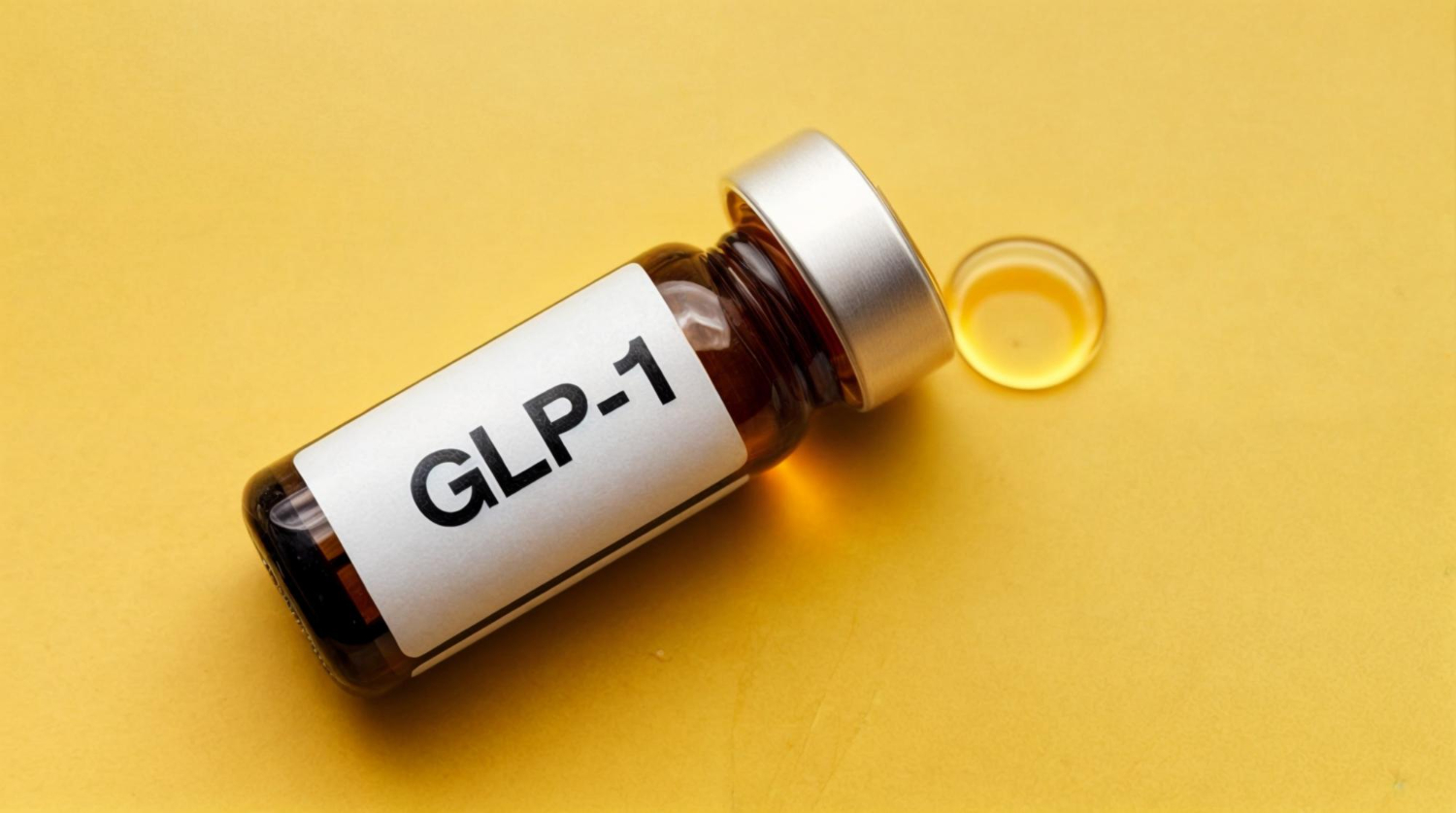
GLP-1 medicines reduce appetite, but they do not reduce your body's need for protein and essential nutrients. Learn how personalized nutrition helps protect muscle, support lasting weight management and complement GLP-1 treatment.
This article reflects the author's professional perspective, informed by current scientific evidence.
Let's be honest: GLP-1 medicines are a good news story. They're helping people who've struggled for years, sometimes to a degree the medical community used to see only with weight loss surgery. And they've finally helped bust an idea that's done real harm, the old notion that weight is simply a matter of eat less, exercise more and try harder. That alone is worth celebrating.
My instinct, training and experience all point to food and lifestyle first, and of course I'd want that genuinely tried before reaching for medication. I've also seen the research on how transformative these medicines are for people, and there's no doubt they're here to stay, with their use only likely to grow.
But there's a part of this story that rarely gets told, and it's the part I can't stop thinking about. When a medicine turns your appetite down, the food you do eat matters more than it ever has, not less. That's the whole idea behind Every Mouthful Counts, and right now it's the conversation we keep skipping.
Here's why it matters. These medicines change how much you eat. They don't change what your body needs. Your appetite drops, but your need for protein, vitamins and minerals doesn't move an inch. And when the scale drops, it's easy to assume you're losing the fat you wanted to lose, when research suggests a meaningful share of it can come from muscle, the very thing that keeps you strong and helps keep the weight off. Then there's the question almost no one is ready for: what happens when you stop? For most people these medicines aren't forever, and without a foundation in place, the weight too often creeps back.
And here's the part that flips the usual advice. When you're eating much less, generic guidance gets less useful, not more. 'Just eat healthily' was never very precise, and on a GLP-1 it really shows: when every mouthful has to carry a bigger share of your nutrition, what goes on the plate has to be chosen with far more care. The smaller the plate, the higher the bar for what's on it. That's the bit the conversation keeps missing.
So my honest view is this. We're handing people a genuinely powerful tool and, too often, forgetting to give them the thing that makes it work and makes it last: real food, in the right amounts, chosen for their own body, not a generic plan. A medicine can quiet your hunger. It can't teach you how to eat for the years that follow.
That's the gap Metabolic Balance is built to fill, and it's why we don't see medicine and nutrition as rivals. They belong together. What it takes is a plan built around your own body: shaped by your blood values and health history, centered on whole foods and enough protein, with a real coach beside you rather than just an app. That's the Metabolic Balance approach medicine and nutrition not as opposites, but as two sides of the same decision for your own health.
None of this is a reason to dismiss these medicines. It's a reason to take the food seriously while you're on them, and to build something that's still standing when they end.
Every mouthful counts. If you're on a GLP-1 medicine, or thinking about one, make sure yours is working as hard as you are, with a plan that'll carry you confidently into the future.
Want the full picture, including how these medicines work and what the research says about muscle and regain? Read our in-depth guide: Every Mouthful Counts: GLP-1 Medicines and the Nutrition That Supports Them.
Scientific accuracy reviewed by Silvia Bürkle, Dipl.-Ing. (Food Technology).
Blog
Discover how chronic inflammation, insulin resistance and visceral fat can ...
 Blog
Blog
GLP-1 weight management medications reduce appetite, but they do not reduce...
 Blog
Blog
Learn why nutrition after 40 is different for women and how hormonal change...
 Blog
Blog
Can blood test results explain why weight loss is easier for some people th...